Everyone in Western Australia who keeps livestock or bees, pets included, must be registered as an owner of livestock or a beekeeper, and the state’s list of livestock includes horses, sheep, goats, cattle and alpacas. In the City of Swan, keeping livestock above the base stocking rate for dry pasture needs planning approval, and that rate is worked out from the area of cleared pasture rather than the size of the lot.
General information, not legal or veterinary advice. The Department of Primary Industries and Regional Development (DPIRD) and the City of Swan are the official places to check.
The state register
DPIRD’s Brands Registration Office runs the register under what it calls the BAM (IMSA) Regulations, the state’s 2013 rules for identifying and moving stock and apiaries.
| Animals kept | What DPIRD asks |
|---|---|
| Horses, ponies and donkeys | Registration as an owner and a current property identification code (PIC) for each property where they are kept. In the South West Land Division, each animal carries a registered brand or an approved identifier before six months of age or before it is moved, whichever comes first. |
| Cattle, sheep, goats, pigs, deer, buffalo and camels | Registration as an owner of livestock. |
| Alpacas, llamas and other South American camelids | Registration as an owner of livestock. |
| Poultry, emus and ostriches | Registration for 50 or more poultry, or 10 or more emus or ostriches, a threshold that began on 1 April 2022. |
| Bees | Registration as a beekeeper. |
A registration lasts three years, and DPIRD sends a renewal notice eight weeks before it ends. Changes to contact details must be made within 7 days, and within 2 days when stock arrive on a property not registered to you; making those changes costs nothing. A PIC names the property where the animals normally live, whether or not you own it, and when that is someone else’s land its owner signs the form to consent. As at October 2026, DPIRD gives the penalty for breaching the horse and donkey identification rules as a fine of up to $20,000.
How many animals the land carries
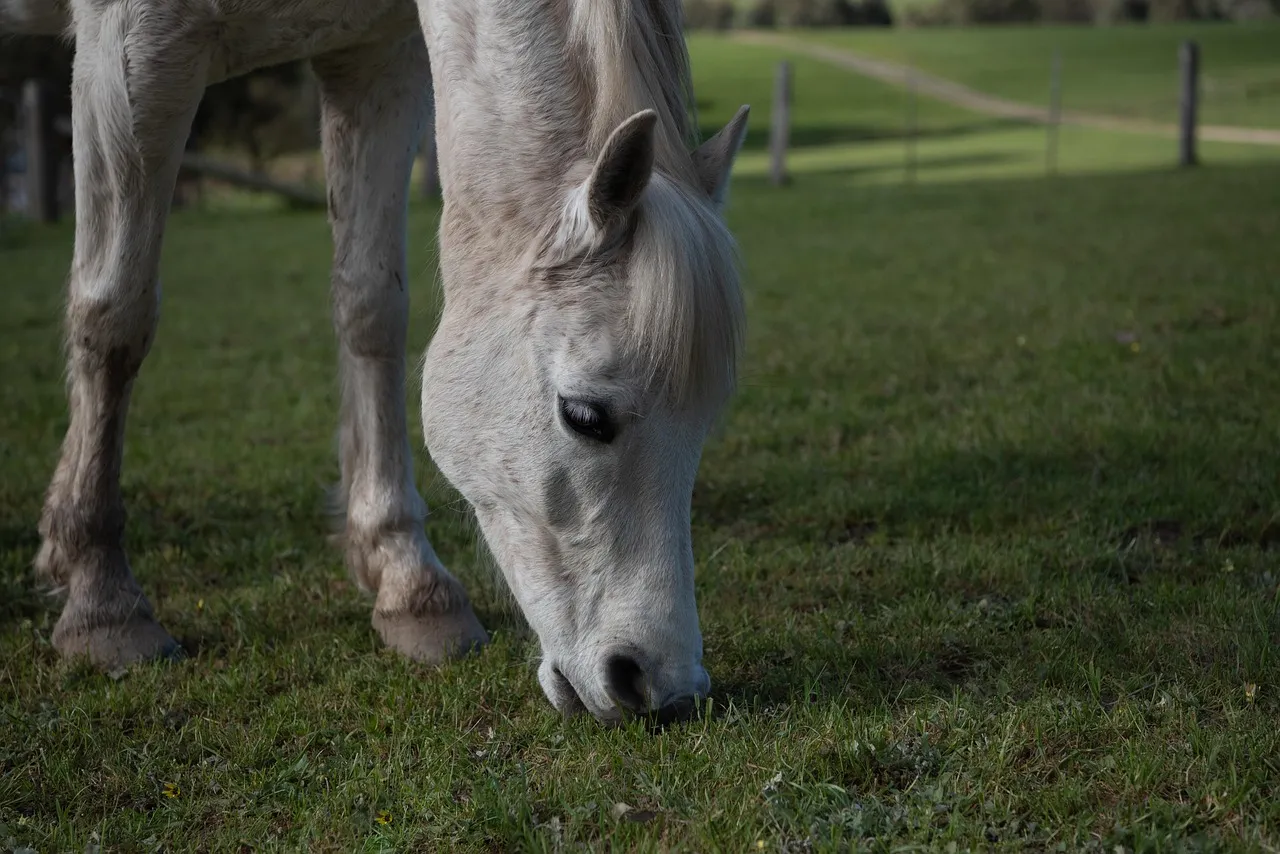
DPIRD defines a stocking rate as the number of animals a pasture can carry all year with little extra feed and without degrading the land, often counted in dry sheep equivalents, where the standard is a 50 kg wether. Stocking above the land’s capacity, it warns, tends to bring animal welfare problems, soil erosion, polluted water and damaged vegetation. Its guidelines for rural small holdings cover the Swan Coastal Plain and Darling Scarp, and it says most local planning schemes require stocking rates in special rural and rural residential zones to match the department’s recommendations.
The City of Swan’s policy, POL-C-090, builds on those guidelines:
- keeping livestock falls under “rural pursuit”, a use permitted only on rural zoned land;
- planning approval is needed to keep livestock above the base stocking rate for dry, rain-fed pasture;
- the base rate is calculated from the cleared pasture available to the stock, not from the lot’s area, across ten land units the guidelines identify by soil type;
- an application above the base rate needs a property management plan, and irrigated pasture is treated the same way once the dry rate is exceeded.
Water, wetlands and neighbours
The policy also asks for remnant vegetation, wetlands and watercourses to be fenced against stock, and flags that land in Public Drinking Water Source Areas, or within 200 m of certain wetlands, may need special management. Where the City’s chief executive thinks a proposal could affect neighbours’ amenity, owners within 200 m are written to and given 21 days to comment. Watering stock from a bore is covered under bores and water on a rural block.
Birds, dogs and bees
- Hens
- No City approval is needed for poultry, pigeons or parrots, though a covenant on some properties bans poultry.
- Roosters
- Roosters, geese, ganders, turkeys, peacocks and peahens are allowed only in a rural zone, which the City defines to include rural residential, special rural, rural living, resource, landscape and general rural zones.
- Soil
- The City offers to test garden soil for a small fee, because old pesticide residues can build up in chickens and their eggs.
- Dogs
- Every dog over three months old must be registered and microchipped. Keeping more than two dogs, up to six, may need a three to six dog permit.
- Bees
- The City needs no approval for keeping bees unless it is for commercial purposes or is a more substantial operation than a minor, ancillary one, though DPIRD still requires beekeepers to register.
Stable fly: a duty on every landholder
Stable fly is a declared pest under the Biosecurity and Agriculture Management Act 2007 in 15 local government areas on or near the Swan Coastal Plain, and the City of Swan is one of them. In the declared area, every landholder, whether owner, occupier or the person in control of the land, must by law manage organic waste with the control measures in the amended Stable Fly Management Plan, whose latest amendments were gazetted on 28 July 2026.
Manure, compost, grass clippings and vegetable waste are where the flies breed, as long as the material stays moist. As at October 2026, failing to control breeding can bring a fine of $20,000, or $50,000 where a Pest Control Notice has been issued. The City adds that no part of the City of Swan may take untreated poultry manure from a chicken farm. DPIRD publishes a plain-language guide to the amended plan for landholders.